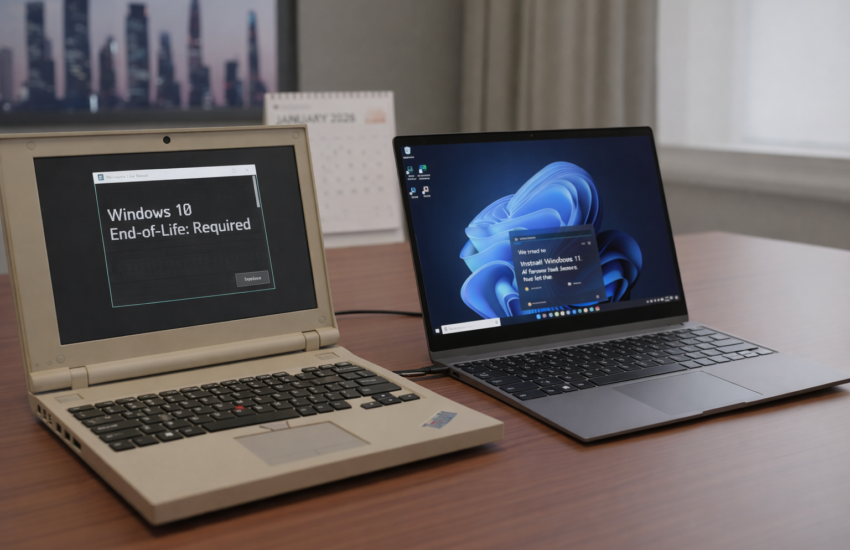
October 2025 marks a major turning point for millions of PC users as Microsoft officially ends support for Windows 10. This transition period is crucial for anyone who relies on their computer for daily tasks, banking, or professional work. Understanding what “End of Life” actually means is the first step in ensuring your digital environment remains functional and protected.
The primary concern after the support cut-off is the lack of security updates and technical patches. Once Microsoft stops issuing these updates, any new vulnerabilities discovered by hackers will remain unpatched on your system. Continuing to use Windows 10 after this date significantly increases the risk of malware infections and data breaches, making it a liability for sensitive information.
Beyond security, you will likely notice a gradual decline in software and hardware compatibility. New printers, cameras, and software applications will prioritize Windows 11 and its successors, eventually leaving older systems behind. It is essential to check your current hardware’s compatibility with newer versions of Windows to avoid any sudden disruptions to your workflow.
Understanding the Shift to Modern Computing
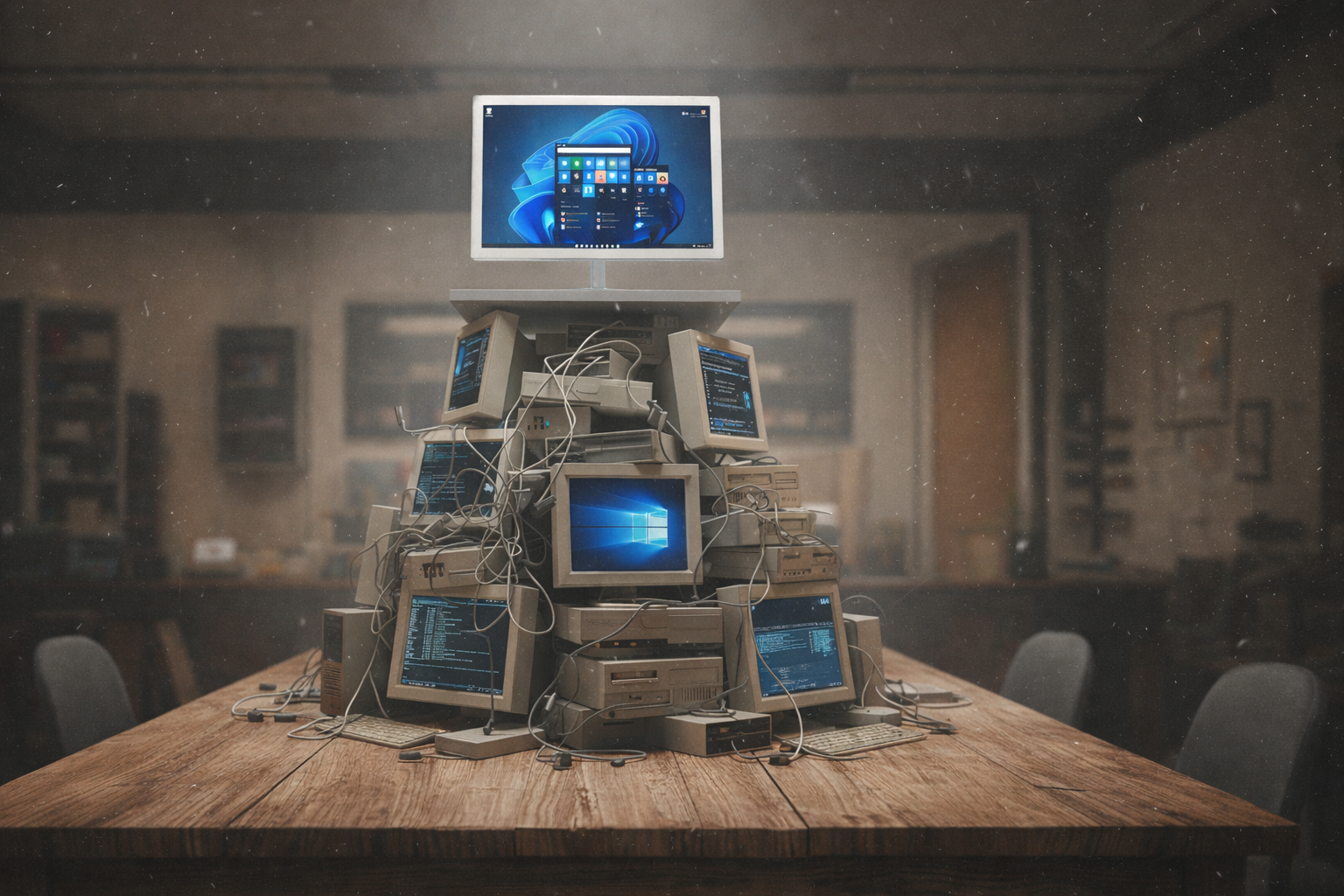
Microsoft’s decision to retire Windows 10 isn’t just about forcing an upgrade; it’s about moving toward a more secure hardware-based architecture. Windows 11 requires specific security components like TPM 2.0, which offer a level of protection that older systems simply cannot provide at a software level. This shift allows for more advanced features, better power management, and integrated AI capabilities that define the next generation of PCs
Your Roadmap for a Smooth Transition
If your current device meets the minimum requirements, the transition to Windows 11 is generally a straightforward and free process through Windows Update. For those with older hardware that doesn’t qualify for the upgrade, it might be time to consider a hardware refresh or explore alternative operating systems. Planning your migration now ensures that you won’t be caught off guard when the final update cycle concludes next year.
